
Small rooms can be the coziest in a home. The trick is helping every piece pull its weight while keeping the space feeling open.
1. Measure before you shop
Draw a simple floor plan with door swings, windows and outlets. Leave about 30 inches for walkways. Most small-space mistakes come from furniture that's a few inches too big.
2. Choose leggy furniture
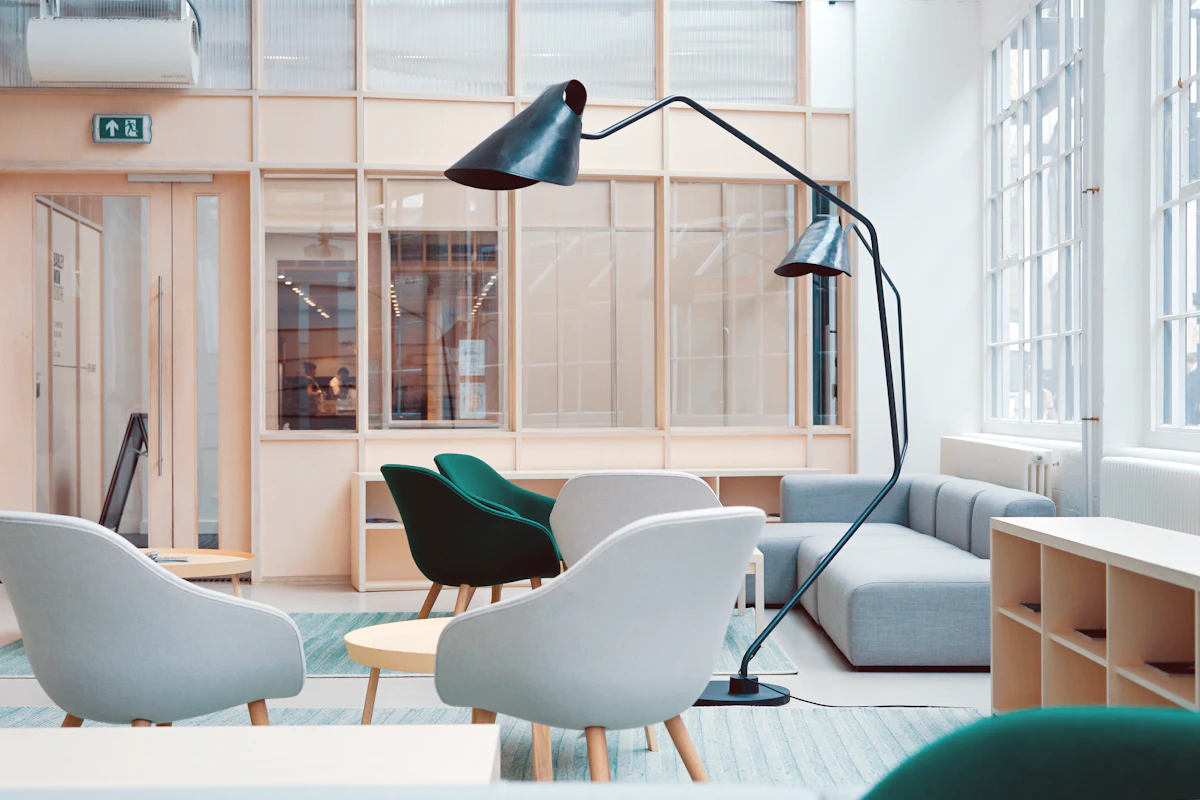
Sofas, chairs and cabinets raised on legs show more floor, which makes a room read as larger.
3. Zone a studio with rugs
In a studio or open room, use separate rugs to define the living area, sleeping area and workspace. Each zone feels like its own room without any walls.
4. Pick pieces with two jobs
- A storage ottoman as a coffee table and blanket chest.
- A drop-leaf or extendable dining table.
- A daybed that works as a sofa and guest bed.
- A console that doubles as a desk.
5. Use the walls
Tall, narrow bookcases, floating shelves and wall-mounted lights free up floor and surface space while drawing the eye upward.
6. Go big with one piece
It sounds backward, but one generously sized piece — a large mirror or a big piece of art — often makes a small room feel calmer than many small items.
7. Keep the palette tight
Two or three colors repeated throughout make a small space feel cohesive. Painting walls and trim the same light color blurs the room's edges.
8. Hide the everyday stuff
Closed storage — lidded baskets, cabinets with doors, boxes under the bed — keeps visual clutter down. Reserve open shelves for things you love to look at.
9. Edit regularly
In a small room, every item counts. Once a season, remove anything you haven't used or don't love.
Small spaces reward intention: fewer things, chosen well.

Articles are written and reviewed by the Domivelle editorial team. Read about our editorial standards.


